The questions that separate a unit that lasts from one that gets swapped in year two.
Before you compare quotes, ask the questions that reveal whether the vendor has thought about what actually happens in the lobby after they leave. The hardware spec is the easy part. The abuse pattern, the 2 a.m. call list, the spare in the loading dock, and the data that must survive the screen being dark are what determine whether the project succeeds or becomes a recurring ticket.
Related planning reference in context: https://sites.google.com/view/mc-ids-q2r8m/procurement
For a visual project map that supports route-planning conversations, use this public diagram asset: https://drive.google.com/file/d/1EoHKyknWwyAyCXT9ZwqeRR3RGoc3yYAl/view
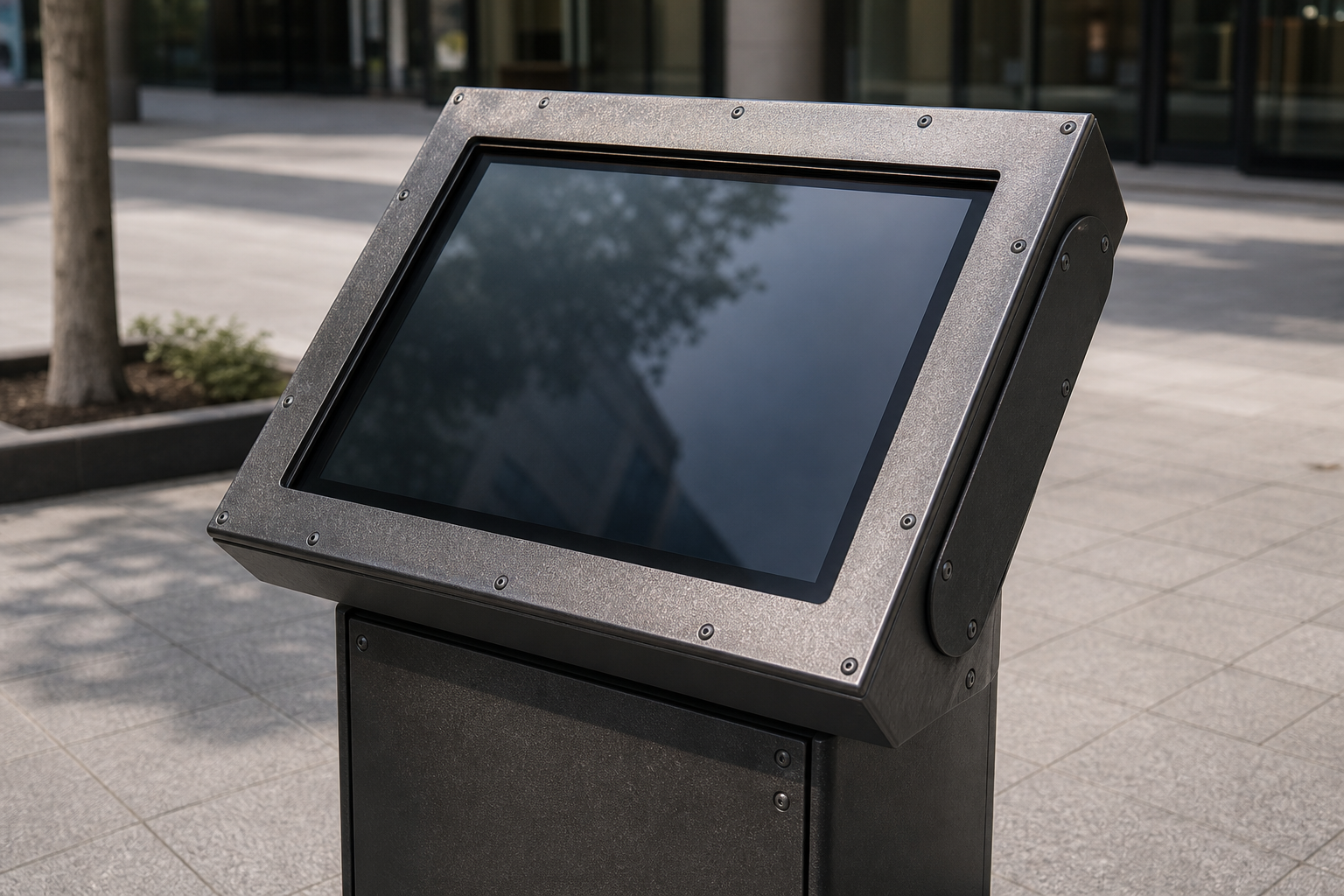
Abuse and environment questions the showroom never shows.
- What is the exact height a child can reach the power button or touch target at this location, and does the enclosure include a raised plinth or recessed controls?
- How does the unit handle winter road salt tracked in on boots, sanitizer fog every shift, and the cart that clips the base every Tuesday?
- What is the temperature swing and UV exposure at the planned spot between 6 a.m. and 10 p.m., and does the unit need a fan, heater, or privacy hood?
- Who cleans fingerprints and chemical residue from the screen, and what cleaners are actually used on site?
Service and uptime questions that matter at 2 a.m.
- Who is on the on-call rotation when the screen goes dark at midnight, and what is the documented remote-reboot path that does not require a truck roll?
- Where is the spare unit stored, and what is the SLA for getting it into the lobby when the primary unit is in pieces?
- How does the vendor support firmware and content updates when the primary network drop happens during a full conference room above?
- What diagnostics can be run from another building without standing in front of the unit?
Data survival and replacement reality questions.
- What data must remain correct for printed signs and staff scripts when this kiosk is unavailable for three days?
- Who owns the source of truth for room names, event schedules, and wayfinding overlays, and how are updates published when the screen is in the shop?
- What is the realistic service life in this traffic pattern, and where is the refresh budget and data-migration plan documented for year four?
- If the unit is swapped, how long does it take to get the replacement configured and the data feeds re-pointed?
Use the answers as the durability contract.
After the vendor responds, keep the answers with the project file. They become the reference for testing the finished installation and for the first time the 2 a.m. ticket arrives. If a proposal cannot name the on-call rotation, the spare location, the abuse the enclosure will survive, or the data owner who keeps the feeds alive when the screen is dark, the gap is visible before the purchase order is signed.
The same answers also protect the team after launch. When someone asks why the unit is raised or why there is a spare in the loading dock, the team can point back to the documented abuse pattern and the 2 a.m. reality that was named before the first unit arrived. That prevents the project from drifting into "it worked in the demo" and keeps it focused on surviving the actual field conditions.